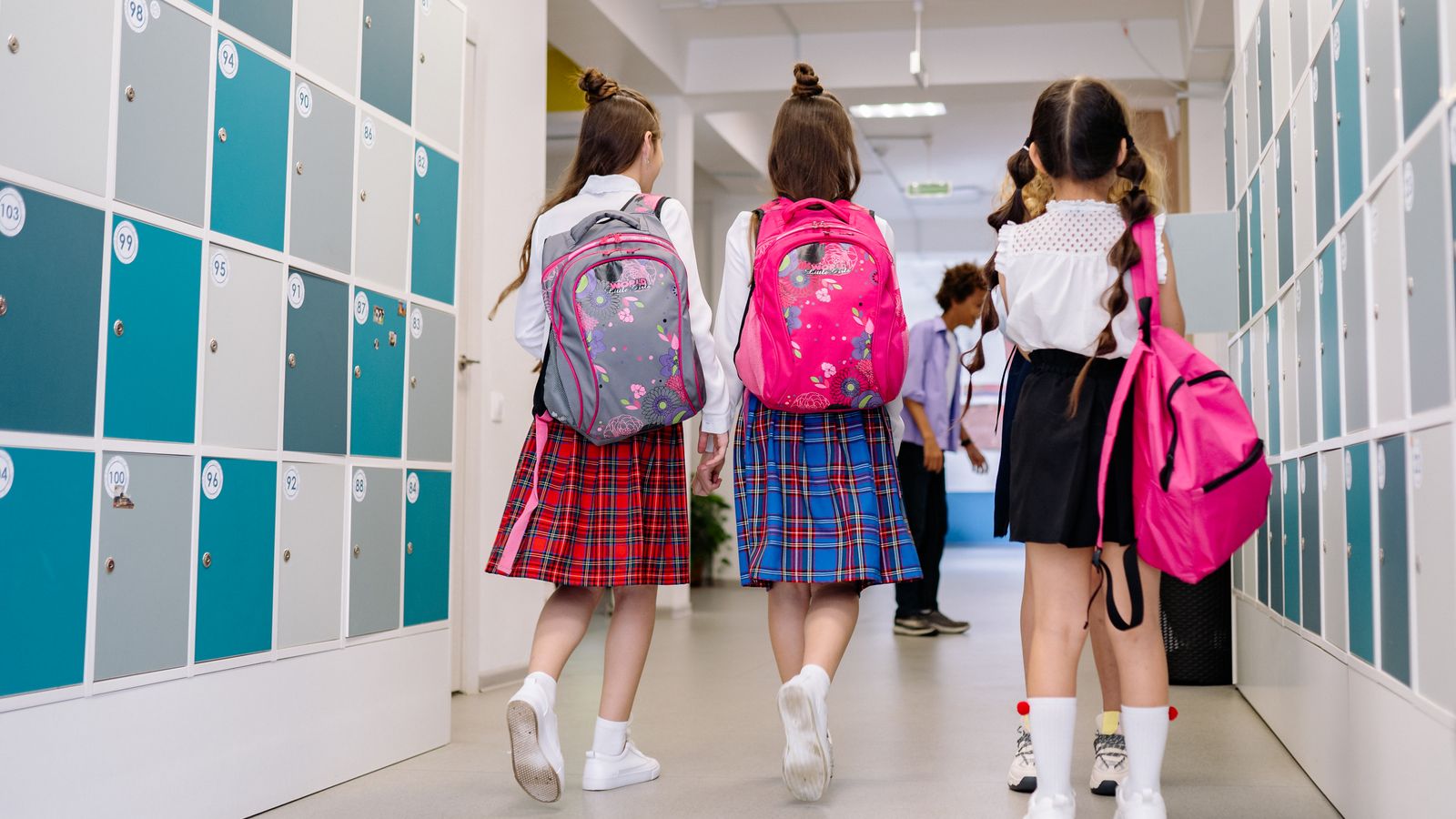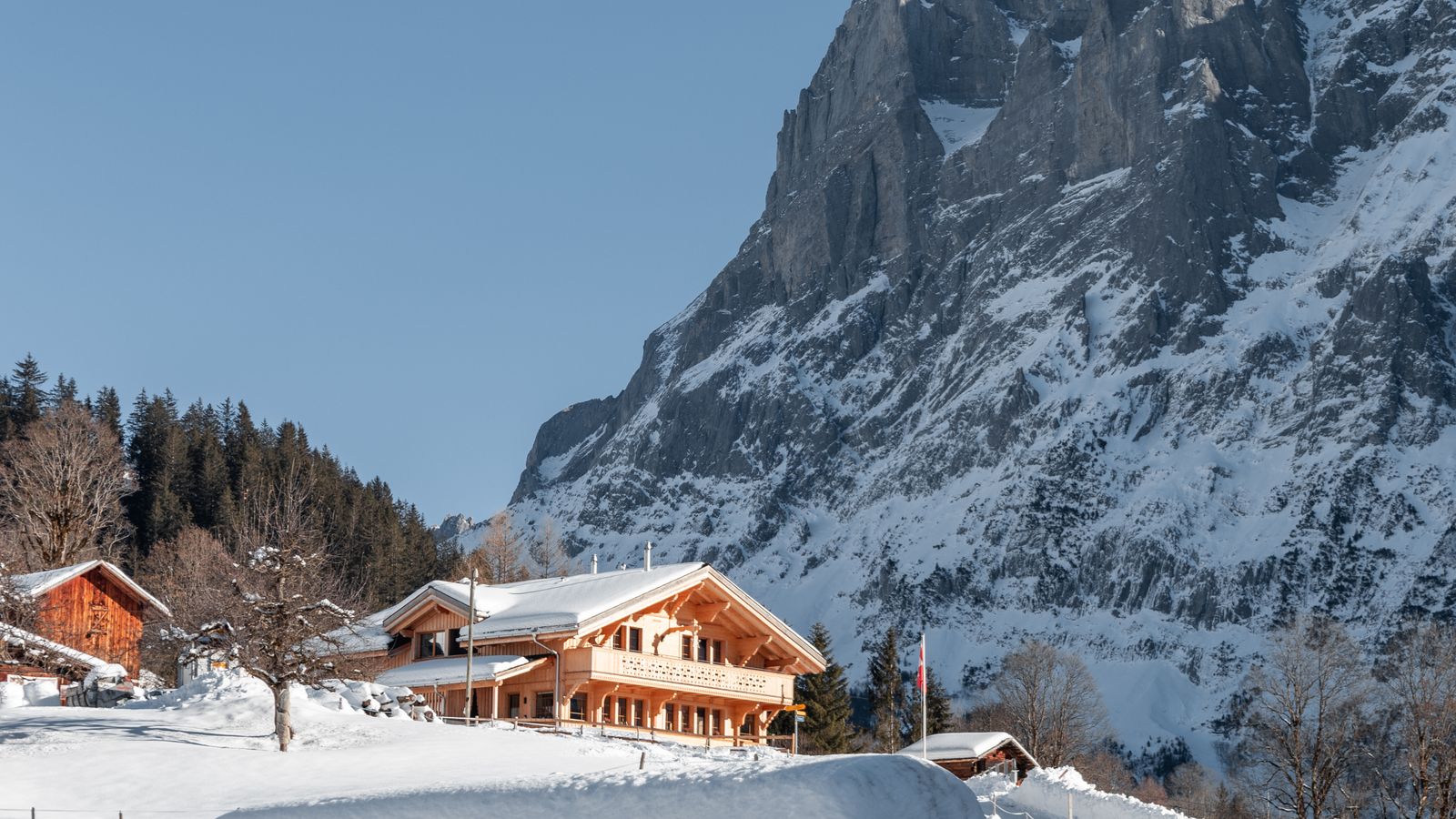

Choosing a boarding school for your child is a decision that can make your head spin. Almost all of us have felt that mix of excitement and doubt before a long list of schools, brochures that all look alike, and one question that keeps coming back: "is this really the right place for my child?". Don't worry: we'll walk you through it, step by step.
One thing first: this article assumes the decision to board is already made. If you're still weighing boarding against day school, start instead with our boarding-or-day comparison — that's the upstream question. Here, we tackle what comes next: how to choose the right school — once you've seen why Swiss boarding schools stand out in the first place.
Boarding school: what exactly are we talking about?
A boarding school is a school where your child also lives and is cared for outside lesson hours. A few useful terms: a day school means schooling without accommodation; full boarding means the pupil stays at weekends, weekly boarding that they come home each weekend. You'll also meet pastoral care (day-to-day attention to wellbeing), safeguarding (the protection of minors) and guardianship (a local guardian, useful for families abroad).
Where to start? With your child's profile and plans
Before looking at a single school, look at your child. They are the starting point — never a ranking. Their age, maturity, independence, languages, passions (sport, the arts, sciences) and long-term plans already sketch the kind of environment where they'll thrive. You're not choosing "the best school": you're choosing the right school for one particular child.
Maturity and independence: is your child ready to board now?
Ask the question honestly. Boarding takes a degree of independence and a genuine desire. Boarding must be their project too, not only yours: you guide, you don't impose. And if they're not quite ready, it's sometimes better to wait a year than to rush.
Language, target curriculum and continuity
Align the language of instruction and the curriculum (Swiss Matura, IB, A-Levels, French Baccalauréat) with your child's profile and their next steps. No need for detail here: our article on choosing a curriculum compares the main paths and their logic.
What criteria should you compare boarding schools on?
Once the profile is clear, compare on concrete criteria rather than reputation. The most decisive: pastoral care and safeguarding, curriculum and languages, campus life, school size, logistics for the family and budget. Let's take them one by one.
Pastoral care and safeguarding: the non-negotiable criterion
This is the first criterion, by far. Your child will live away from home: the quality of care (the adult-to-pupil ratio, attention to wellbeing) and a genuine safeguarding policy come before everything else. A serious school talks about this openly and plainly — a good sign.
Curriculum, languages, internationalism and next steps
Check that the curriculum, language and outcomes match your child's plans, and look at the mix of nationalities (a real asset for friendships and openness). One nuance: a school's membership of a network is not an accreditation — they don't offer the same guarantees.
Campus life, school size and the life after lessons
This is often overlooked, yet it's telling. How does the evening unfold once lessons end: supervised study, activities, dinner, weekends? And the size: a large international campus and a small, human-scale school don't offer the same individual attention. This — far more than the brochure — is where a boarding school's real quality shows, and where your child will make their first friendships.
Logistics for families abroad: airport, returns and weekends
For a family based abroad, logistics matter day to day: proximity to Geneva or Zurich, the door-to-door travel time, direct flights, support for children travelling alone. Depending on the hours of flying, full or weekly boarding won't mean the same thing — and a trusted presence on the ground (guardianship) changes everything.
Budget and extras: what does the fee really cover?
Let's be clear and concrete: beyond the headline price, look at the total cost. Ask what the fee covers and what is added: boarding, trips, activities, materials, insurance, guardianship. Two schools with similar fees can have very different extras. The detail is what counts.
How to recognise a quality boarding school (and the red flags)
A few signs of seriousness: full transparency on safeguarding, a record of where alumni go next, and smooth communication with families abroad. Conversely, be wary of a school that stays vague about care, oversells its ranking, or dodges your specific questions. A good ranking is a clue, never proof.
How to build a short list of schools to visit
The goal: go from a long list to three to five genuinely relevant schools. Cross-check reliable sources, apply your deal-breaker criteria (curriculum, language, boarding, budget) and compare opinions. To place each option within the Swiss landscape, understanding the Swiss school system helps you see clearly.
What to look for when visiting a boarding school
The visit is decisive — nothing replaces the feel of a place. On site, observe the boarding houses, the mood in the evening and at weekends, the pastoral team, and above all the current pupils: do they seem happy? If you can, go beyond the open day alone: an ordinary day often tells you far more.
The questions to ask the school
Prepare a few concrete questions: what is the supervision ratio? What does a typical evening and weekend look like? How are leave arrangements (exeats) managed? How does the school track wellbeing and results? How does it communicate with families abroad? And how are new pupils welcomed (buddy system)?
How to compare and make the final decision
To decide calmly, weigh your child's feel against objective criteria in a small weighted table — weighting beats ranking. Involve your child in the choice: they'll commit all the more for having taken part. Finally, mind the admissions calendar, often 12 to 18 months ahead: it pays to plan early. Once the school is chosen, it's on to the application: how to prepare a secondary school application.
My Student Hub's five practical tips for choosing a boarding school
- Start from your child, not the ranking: fit is what counts.
- Put safeguarding at the top of your list: ask precise questions about care.
- Visit on a weekday evening, not only at an open day: see real life.
- Map the airport-to-school travel times if you're abroad.
- Involve your child in the decision — and seek guidance if you need it.
Frequently asked questions
Are 'boarding school' and 'internat' the same thing?
Yes. A boarding school is a school where the pupil also lives and is cared for outside lessons. A day school, by contrast, means schooling without accommodation.
From what age can a child start boarding school?
It varies by school. Many take boarders from the start of secondary (around 11-13), some earlier. Beyond age, what matters is the child's maturity and genuine willingness.
What are the most important criteria?
Fit with your child above all: pastoral care and safeguarding, curriculum and languages, campus life, school size, accessibility for the family and budget. Ranking comes after fit.
How do I check the safeguarding is serious?
Ask about the adult-to-pupil ratio, how evenings and weekends are organised, and the safeguarding policy. A serious school answers clearly and transparently.
How much does a boarding school in Switzerland cost?
Fees vary widely. Above all, ask for the detail: what the fee covers and what is added (boarding, trips, activities, insurance, guardianship). The total cost is what counts, not the headline price.
Should I choose a school near the airport?
For a family abroad, yes, logistics matter: a short transfer and direct flights make weekend returns and visits easier. Depending on distance, full or weekly boarding won't mean the same thing.
In summary: an aligned school, not a prestigious one
Choosing a boarding school is a journey: start from your child, compare concrete criteria, spot the signs of quality, visit, then decide together. Remember the essential — the right boarding school isn't the most prestigious, it's the one that fits your child, your family and your plans. Take your time, ask the right questions, and trust your feel on the ground too.
Would you like an outside, independent perspective? Discover our approach, our concierge service for families abroad, or request a confidential conversation.