Ask ten international families where they would consider boarding, and Swiss boarding schools come up almost every time. The reputation travels — but reputation on its own explains very little, and it is a poor basis for a decision about your child. So let us look at what genuinely sets these schools apart, quality by quality, and then at how to read that reputation around your own family. To place the question within its setting, understanding the Swiss school system gives the markers; here, we focus on what makes the boarding experience distinctive. And if the choice of country itself is not yet settled, comparing Switzerland with the other destinations comes first.
What makes Swiss boarding schools stand out?
It is the combination, not any single feature. Plenty of countries can claim a beautiful campus or a strong results table. What is harder to find in one place is multilingual immersion, genuine safety and stability, an unusual breadth of curricula, real pastoral care, and a truly international community — all sustained, year after year, with quiet consistency. Each of these deserves a closer look, because each changes daily life for a child.
Do Swiss boarding schools really offer a multilingual education?
Yes — and it is perhaps their most lasting advantage. Switzerland has four national languages (German, French, Italian and Romansh), and most boarding schools teach in English, French or German while building serious immersion in a second language. Immersion here is not a weekly lesson; it is living, playing and studying in another language all day, alongside peers from many countries. For a child, growing up fluent between two or three working languages is a gift that compounds for the rest of their life — far beyond any single exam.
How safe and stable is the setting?
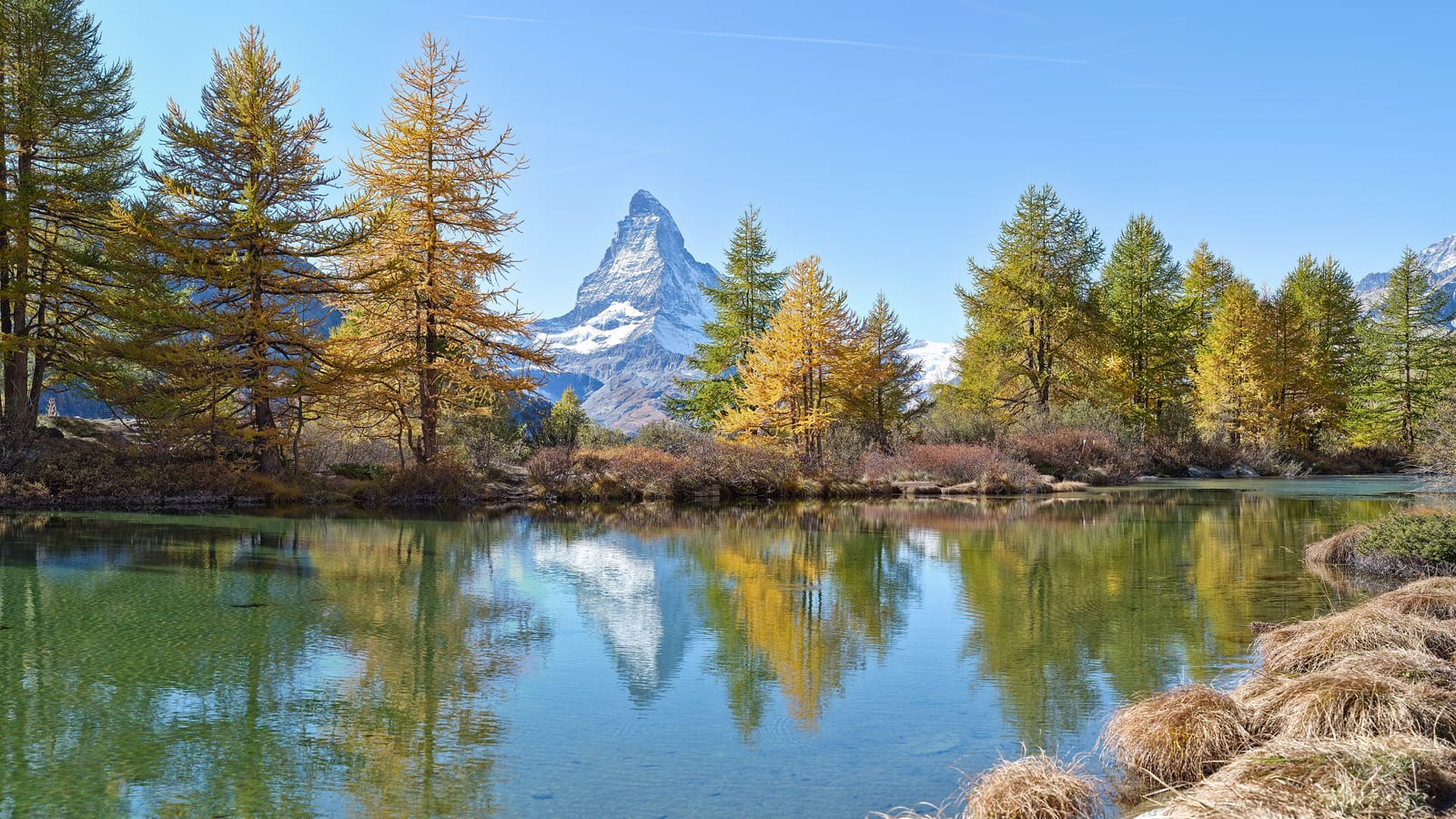
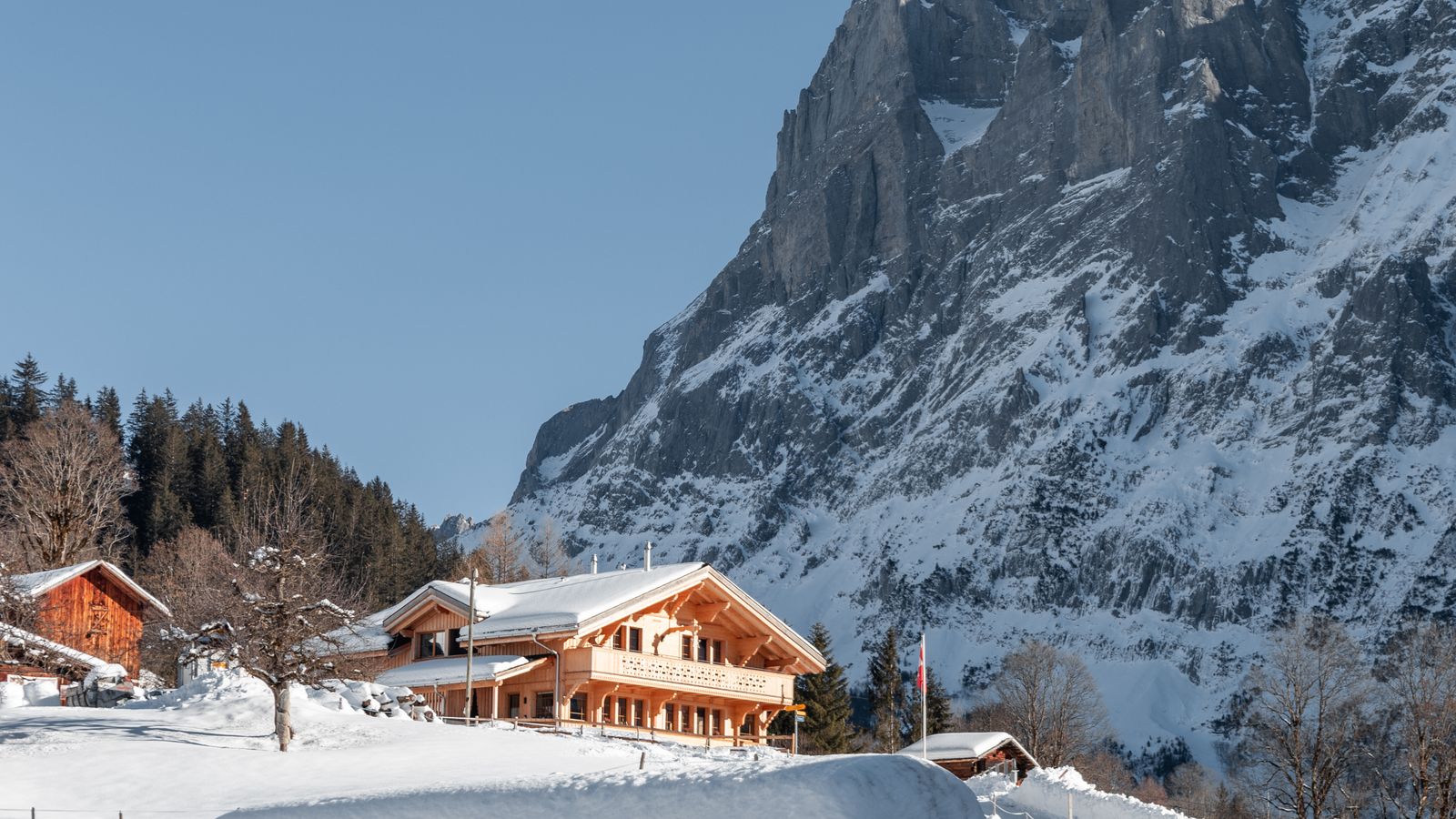
Switzerland is consistently among the world's safest and most politically stable countries. Long-standing neutrality, low crime, reliable infrastructure and excellent healthcare create a backdrop that parents rarely have to think about — which is precisely the point. To this, the country adds a setting built for wellbeing: mountains, lakes and clean air, with sport woven into the week, from skiing in winter to hiking and rowing the rest of the year. For families based far away, that everyday stability is often as reassuring as the teaching itself.
Can one country really offer so many curricula?
Yes. Within a small geography you will find the International Baccalaureate (IB), the Swiss Matura, British A-Levels (preceded by the IGCSE), the French Baccalauréat, the American High School Diploma and the German Abitur. Few countries concentrate so many recognised pathways so close together. This breadth matters in practice: it lets a family choose a programme that suits the child's temperament and long-term plans — and keeps a possible return home open. We compare these routes in detail in Swiss Matura, IB or A-Levels: which curriculum?.
What about pastoral care?
Pastoral care — the attention paid to a child's wellbeing, beyond academic results — is where Swiss boarding schools often quietly excel. Classes tend to be small, and the house system means adults who genuinely know each pupil: house staff, a health team, tutors who follow morale as closely as marks. Supervised evening prep teaches a child to work independently and to ask for help. Underpinning all of it is safeguarding — the protection of minors — which is not an administrative detail but a first-order criterion. The right question on a visit is concrete: who is on duty in the evenings and at weekends, and how does information reach parents?
An international community — and where does it lead?
A Swiss boarding school brings together pupils from dozens of countries, and that mix is itself an education: it builds independence, perspective and friendships that often last for decades. These schools also prepare pupils for leading universities worldwide, with guidance counsellors who know how to present each profile. As ever, preparation is not a promise — but a strong, well-supported foundation travels well, wherever a young person chooses to study next.
So how do you make the most of it?
Here is the part the brochures tend to skip: a country standing out is not the same as the right school standing out for your child. The Swiss landscape is genuinely strong — but it is also varied, and the qualities above show up very differently from one school to the next. The work, then, is to match a particular child to a particular setting: their pace, their languages, their interests, your family's plans. That is exactly where how to choose the right boarding school, step by step helps, and why the first decision is often boarding or day in the first place. To see the range, you can browse our curated selection of Swiss schools; to think it through together, that is the heart of our private advisory.
The reputation, in other words, is earned — but it is the starting point of a good search, never the conclusion. Choose around the child, and Switzerland's strengths become genuinely yours.
Frequently asked questions
What makes Swiss boarding schools different from those in other countries?
It is the combination, not any single feature: a genuinely multilingual education, exceptional safety and stability, an unusual breadth of curricula within a small country, and pastoral care delivered in small, international communities. What distinguishes them most is consistency — academic, human and practical — sustained over many years.
What languages are used in Swiss boarding schools?
Switzerland has four national languages — German, French, Italian and Romansh — and most boarding schools teach in English, French or German, with serious immersion in a second language. For a child, growing up between two or three working languages is one of the most lasting advantages of a Swiss education.
Are Swiss boarding schools safe for younger or international pupils?
Switzerland is consistently among the world's safest and most stable countries, with reliable infrastructure and healthcare. Within schools, what matters is safeguarding — the protection of minors: who is on duty in the evenings and at weekends, and how information reaches parents. It is a first-order question to ask on any visit.
Does a prestigious Swiss boarding school guarantee strong results?
No. Prestige is not a result, and no school can promise an outcome. A Swiss boarding school stands out by giving a child the right conditions — immersion, structure, care, community — but the right school is the one that fits your child, not the one with the best-known name.
Which curricula can you study at a Swiss boarding school?
Within one small country you will find the International Baccalaureate (IB), the Swiss Matura, British A-Levels, the French Baccalauréat, the American High School Diploma and the German Abitur. This breadth lets a family choose a programme that matches the child's path — and keeps a possible return home open.